PVC Compounding Additives: Stabilizers, Plasticizers & Impact Modifiers Explained
Unmodified PVC resin is rarely usable on its own - the right additive package is what turns raw PVC into pipe, profile, cable or flexible film.
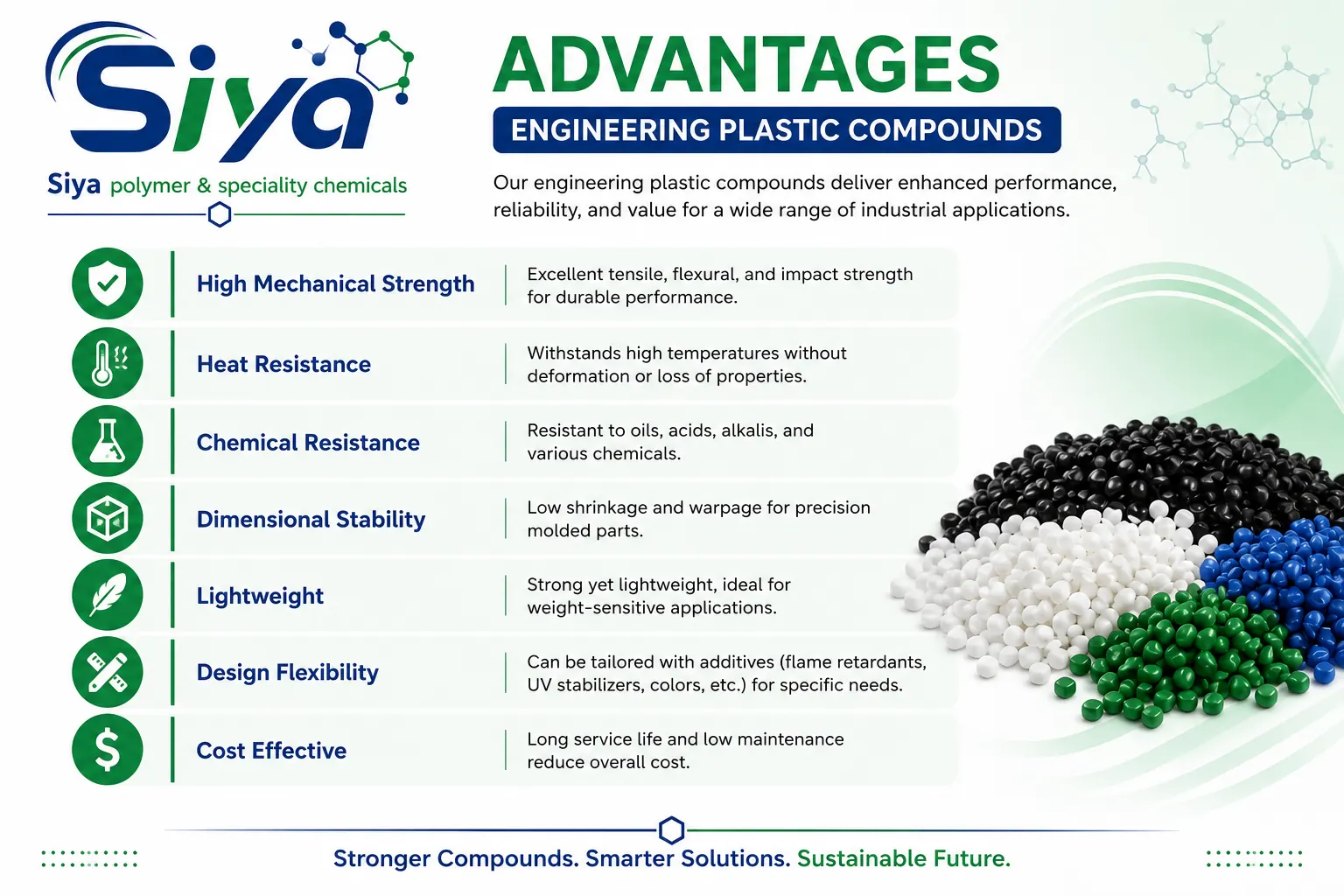
Why PVC Needs a Full Additive Package
PVC resin degrades under processing heat unless protected, and its properties can be tuned from rock-rigid to fully flexible depending on formulation. This makes PVC one of the most additive-dependent polymers, typically requiring a stabilizer at minimum, plus plasticizers, impact modifiers, lubricants and fillers depending on the end application.
Heat Stabilizers
Stabilizers prevent PVC from degrading (dehydrochlorination) during processing, which would otherwise cause discolouration and loss of properties. Calcium-zinc and other non-toxic stabilizer systems are widely used for both rigid and flexible PVC applications.
Plasticizers
Plasticizers are added to make PVC flexible, ranging from rigid (unplasticized, UPVC) formulations used in pipes and window profiles to highly flexible formulations for cables, flooring and film, where plasticizer type and loading directly control softness.
Impact Modifiers & Processing Aids
Impact modifiers, often acrylic or CPE-based, improve the toughness of rigid PVC products like pipe fittings and profiles, especially in cold conditions. Processing aids improve melt flow and fusion during extrusion, helping achieve a smooth, consistent surface finish.
From rigid pipe compounds to flexible cable formulations, Siya Polymer can help you build the right PVC additive system.
Talk to Our Technical Team →